

Seattle’s Floating Railway Bridge
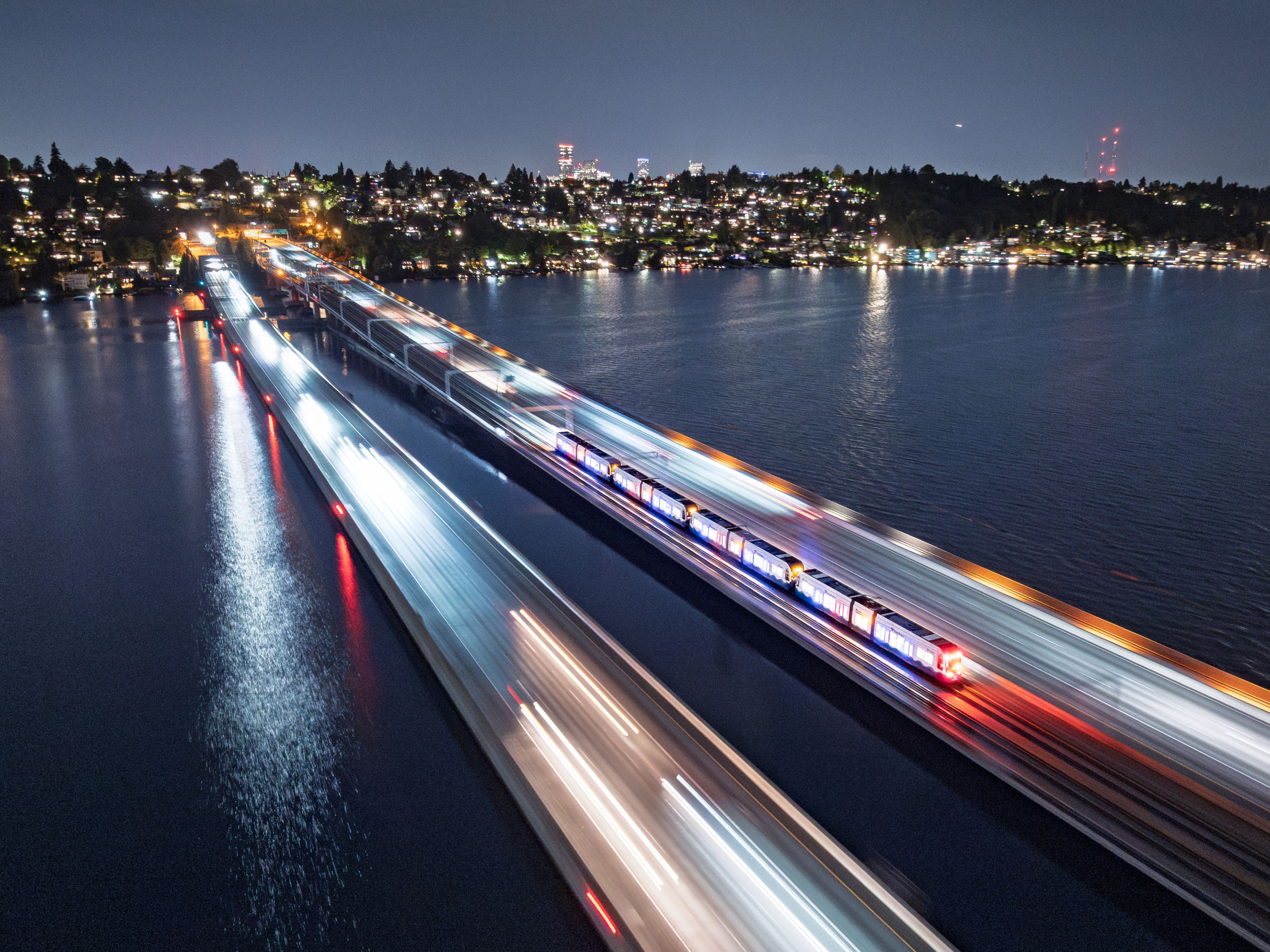
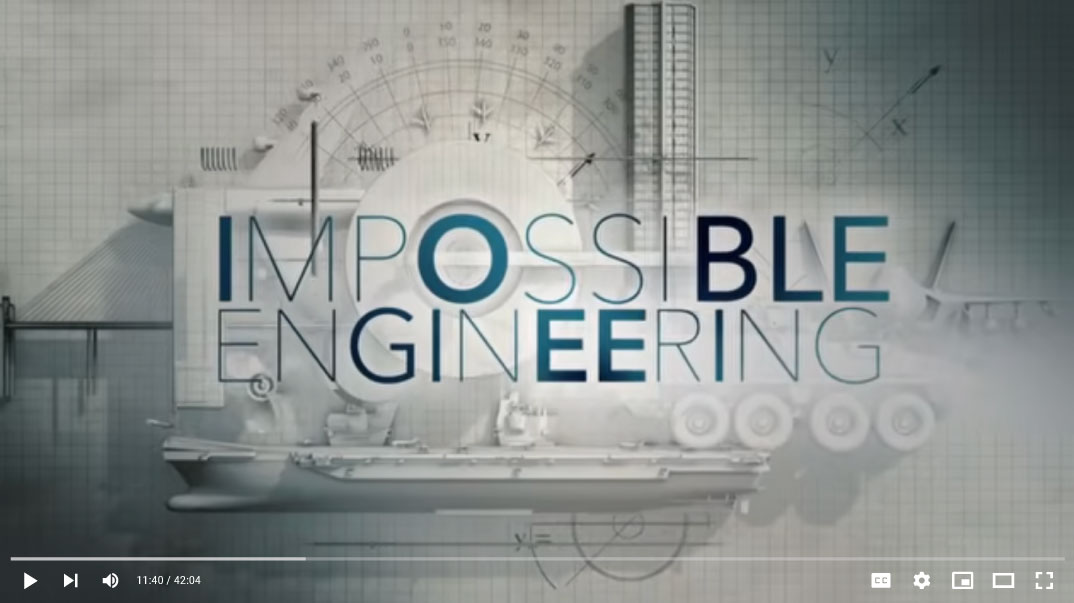
Engineers in Seattle have built the world’s first floating railway bridge. To tackle this cutting-edge engineering challenge (featured on the Science Channel’s television program Impossible Engineering), the team relied on UTRS’s corrosion control expertise to enable high-speed trains to go where they’ve never gone before.
project details
Client
Sound Transit / Washington State Department of Transportation
Location
Seattle, WA
Services
Industries
Completed in March, 2026, Seattle’s light rail 2 Line runs 18 miles and can carry approximately 50,000 daily commuters between Downtown Seattle and the Redmond Technology station (the headquarters campus of Microsoft), with over a mile of rail track running on the surface of Lake Washington. The lake is too deep for either underwater tunnels or for the underwater columns of a traditional fixed bridge.
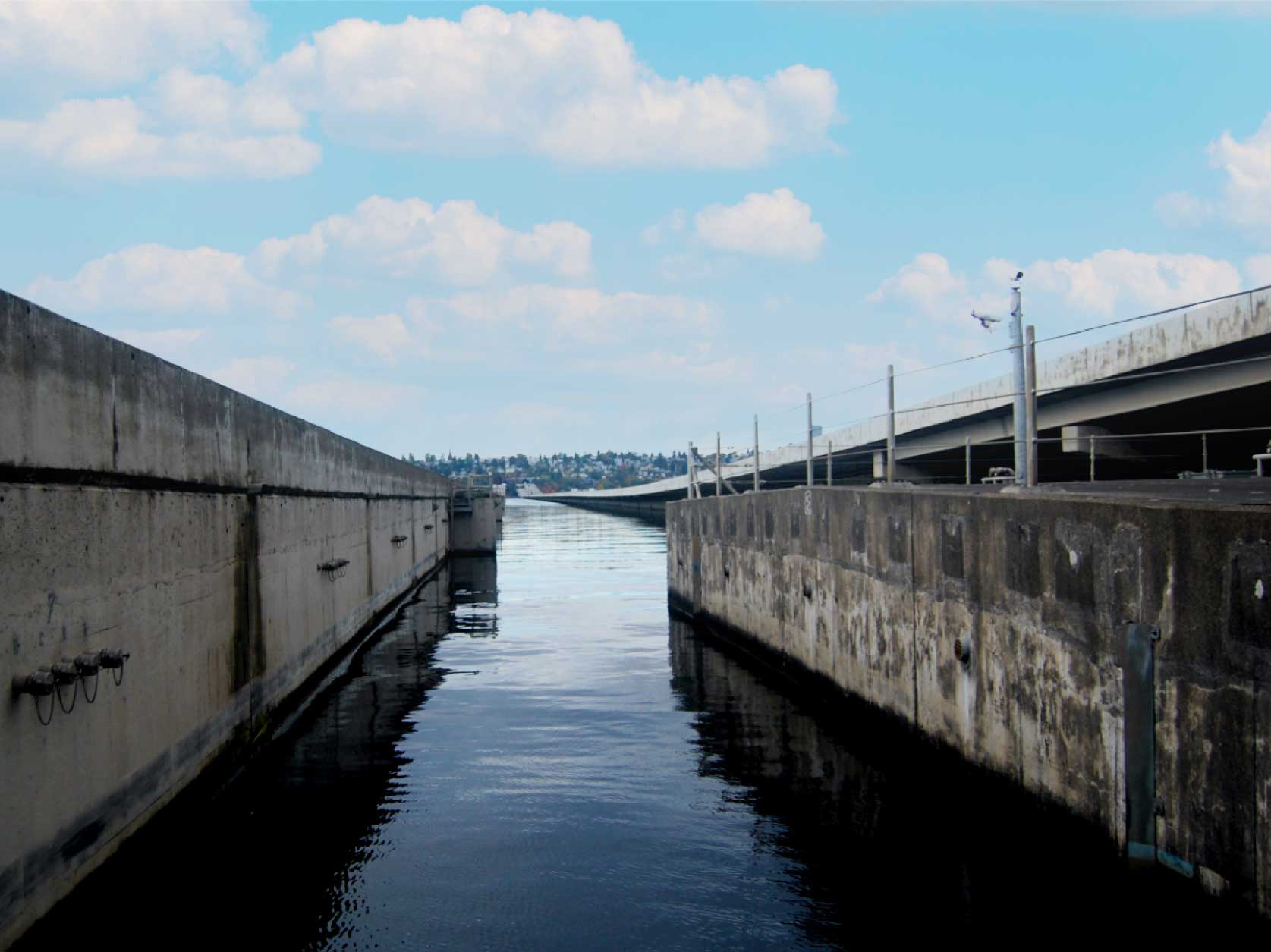
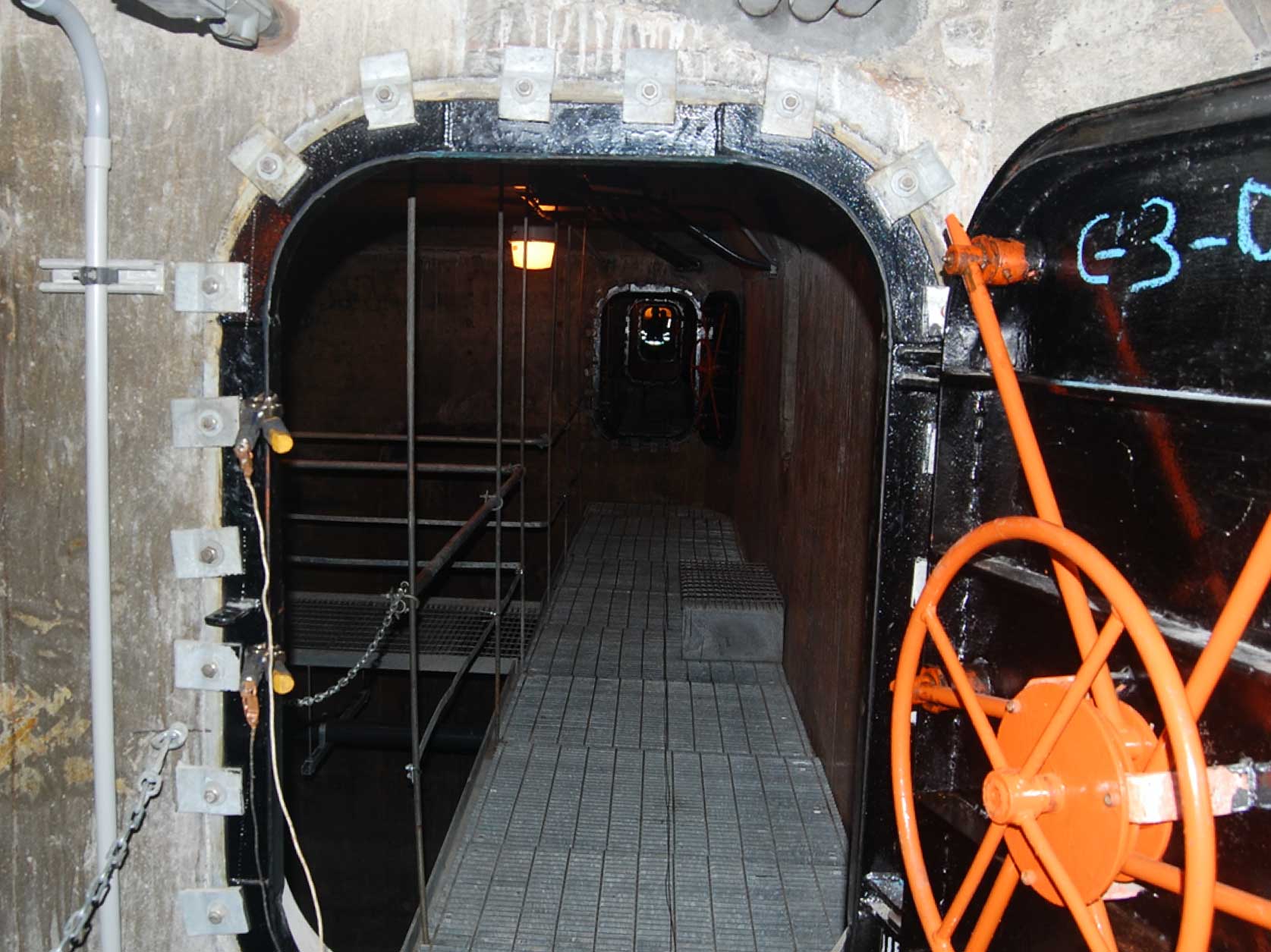
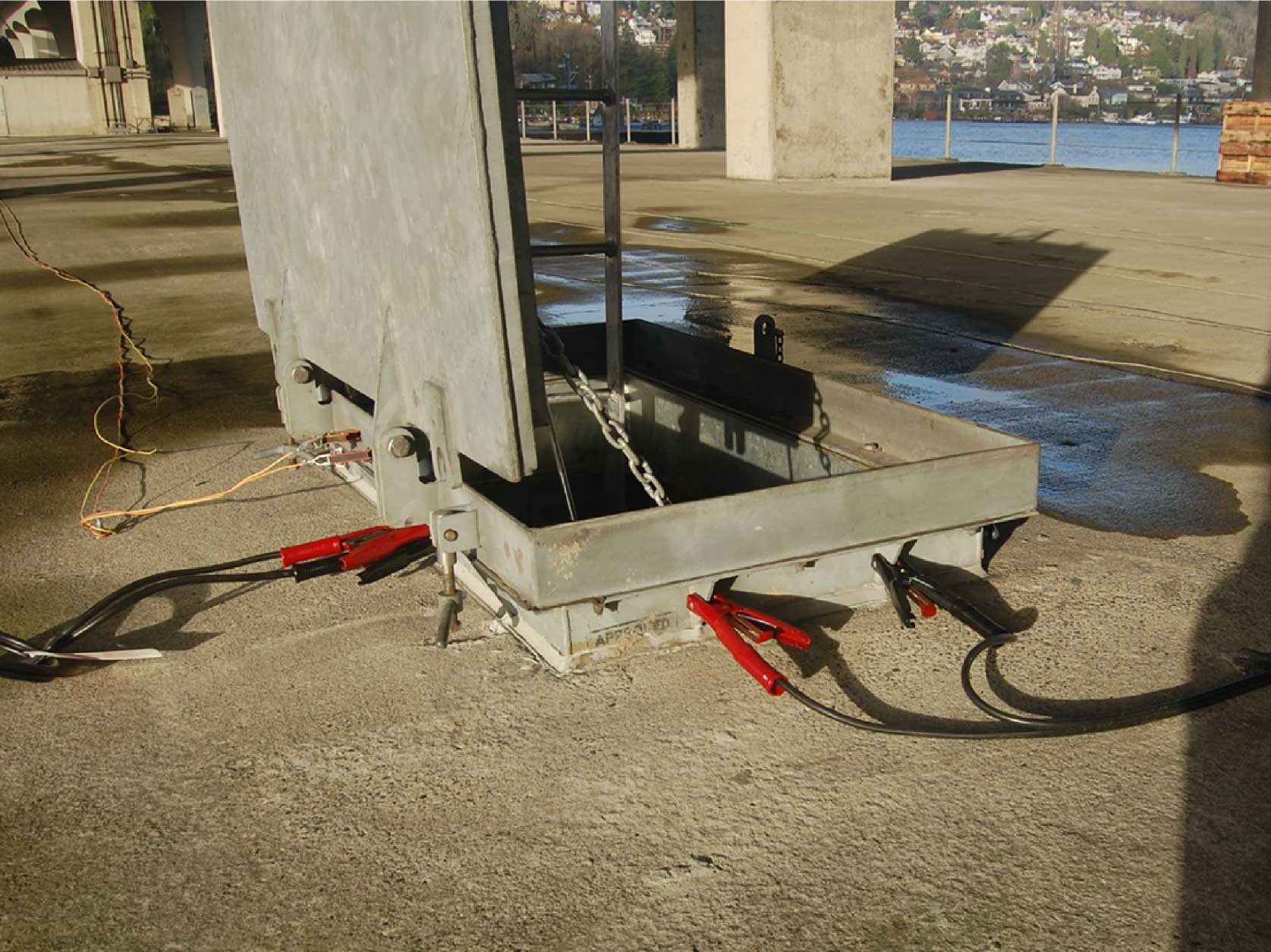
The lake portion of the light rail line runs alongside Interstate 90, which spans two floating bridges 6,620 feet across the lake from the city to the neighboring Eastside suburbs in King County. The new rail portion takes the place of previous high occupancy lanes on the Homer M. Hadley Memorial Bridge. Both this bridge and its eastbound traffic companion, the Lacey V. Murrow Memorial Bridge, were already in need of remediation of their ineffective, decades-old cathodic protection systems. Both bridges float atop 38 massive, hollow concrete pontoons, each 360′ by 300′.
UTRS’s Corrosion Control experts were a natural choice for this innovative project. Sound Transit already knew our cathodic protection expertise could be applied to floating bridges because, just a few years before, we updated and improved the world’s longest floating bridge (Seattle’s nearby Evergreen Point Floating Bridge across Route 520). Adding to this experience, we have provided corrosion control for numerous transit systems throughout the U.S.
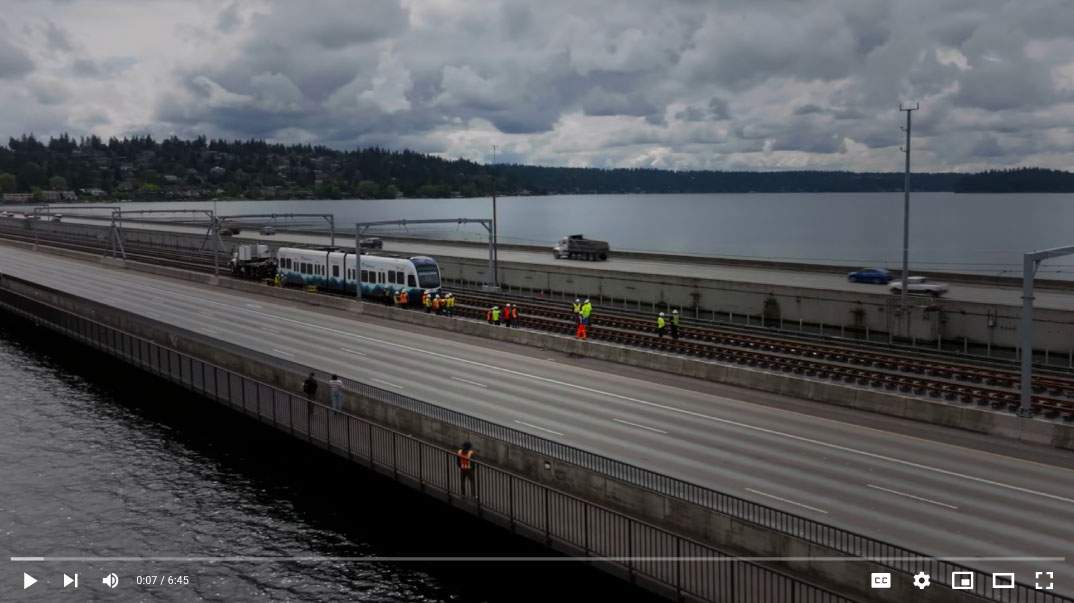
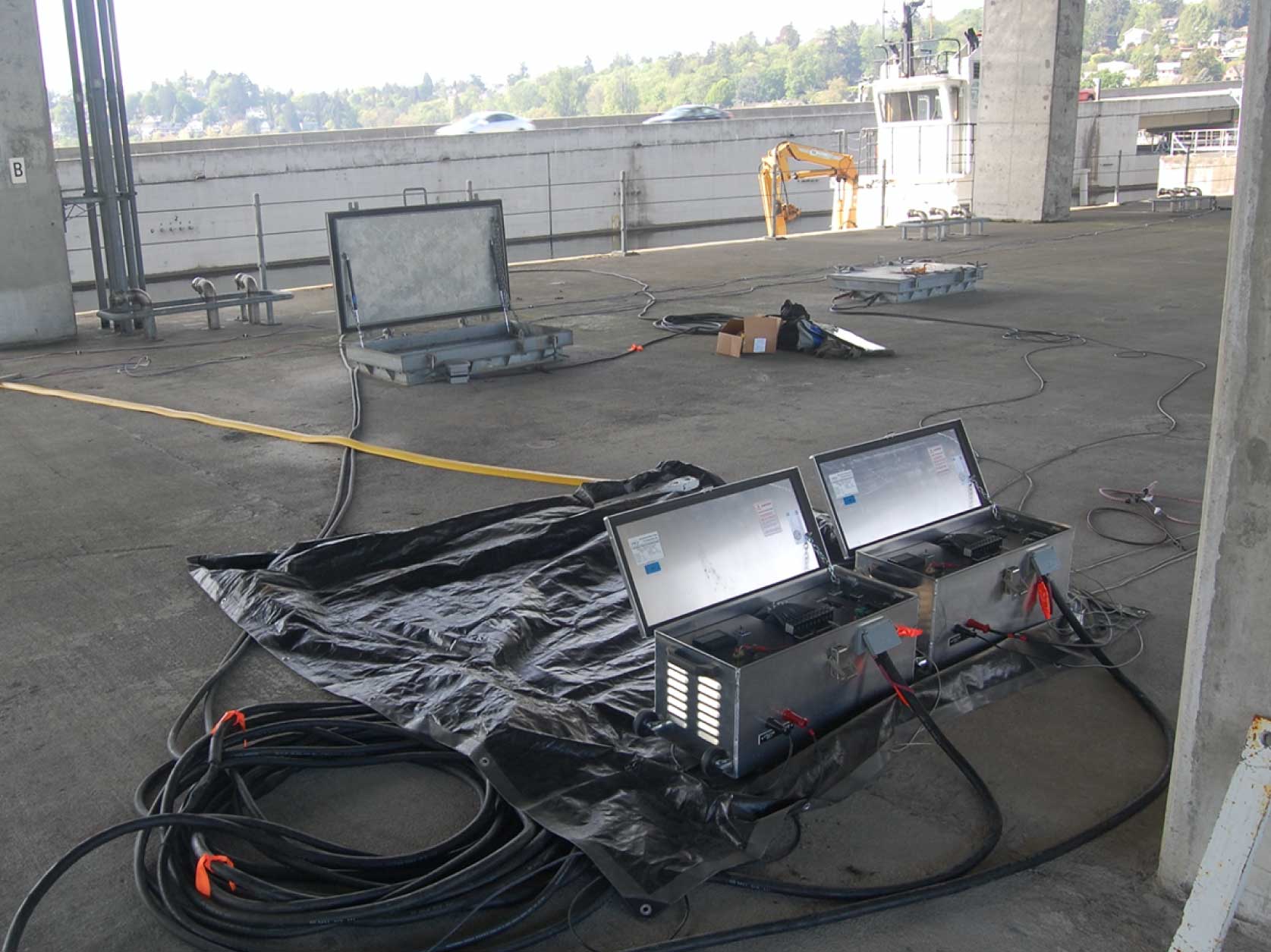
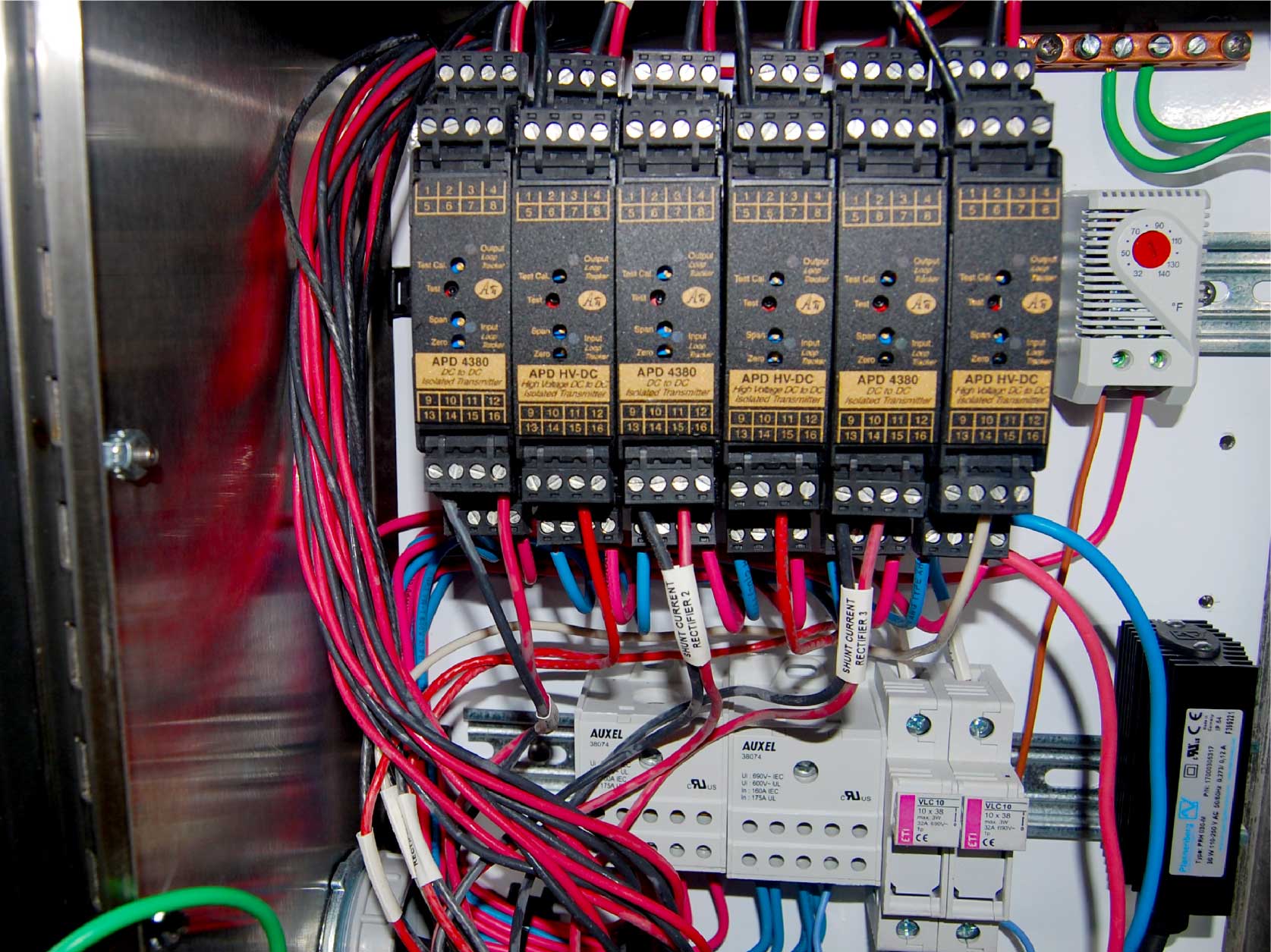
The addition of 2 Line electric rail to the Hadley pontoon bridge added several special engineering challenges to the project. In particular, the high-voltage current that powers the trains introduced the risk of stray current entering the bridge’s pontoons and accelerating the corrosion of their steel rebar. UTRS engineered Cathodic Protection solutions to insulate and protect this unique structure from corrosion. As part of our solution we also investigated how best to protect the surrounding natural environment and ecosystem.
Corrosion Control Design and Implementation
Environmental and Fresh Water Impact
Testing, Verification, and Systems Integration
Materials Selection, Retrofitting, and Power Upgrades
Plinth Insulation

Corrosion Control
We provide comprehensive corrosion control services without the conflict of interest associated with being material sales representatives or distributors of corrosion control products.
If its got metal, touches the earth, or has any contact with water, chances are the answer is yes. Whether you are planning a first-of-its-kind build, or want to ensure your existing structure is adequately protected, our engineers are sought nationwide for designing and installing cathodic protection.